


Concealed residential plumbing leaks often remain hidden behind structural barriers for weeks before surfacing as visible property damage. Pressurized water lines can slowly fail beneath concrete foundations, behind interior drywall, or within attic spaces long before triggering noticeable structural staining, localized moisture zones, or unexpected spikes in municipal utility costs. Left unaddressed, ongoing sub-surface water loss contributes to structural foundation shifting, extensive hardwood flooring buckling, high-liability toxic mold growth, and expensive emergency restoration overhauls.


A critical regional risk factor unique to local properties stems from the hard water profiles managed through the Main San Gabriel Basin aquifer. The naturally elevated mineral saturation and high alkaline concentrations found in these regional municipal groundwater lines accelerate aggressive chemical and electrolytic pitting inside older thin-wall copper tubing. This systemic corrosion eventually causes hidden pinhole line structural failures beneath concrete slab foundations.
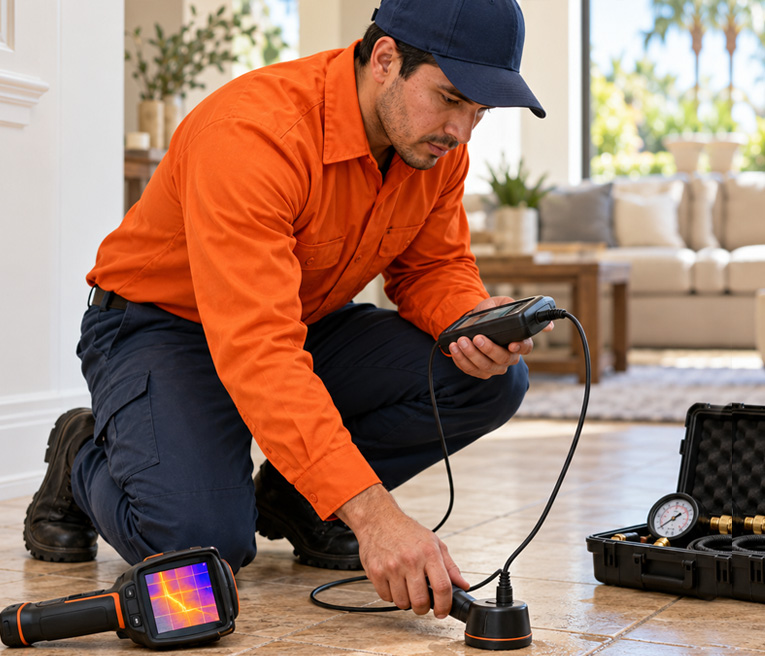
Across older Covina neighborhoods, our diagnostic crews routinely isolate subsurface slab leaks using non-destructive pressure drop testing and high-frequency acoustic wave mapping to identify escaping water patterns before tearing open walls.
Every underground utility restoration we handle is engineered to comply with current California Plumbing Code safety thresholds and satisfies all local municipal permitting, inspection, and public safety standards.

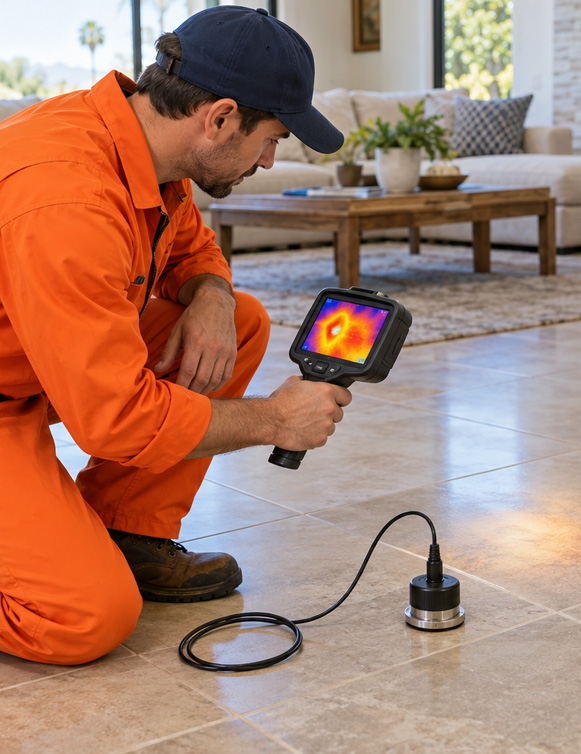
Don’t let hidden leaks cause costly water or structural damage to your home. Our experienced team uses non-invasive electronic leak detection to accurately locate concealed leaks and provide targeted, dependable repairs with minimal disruption to your property.
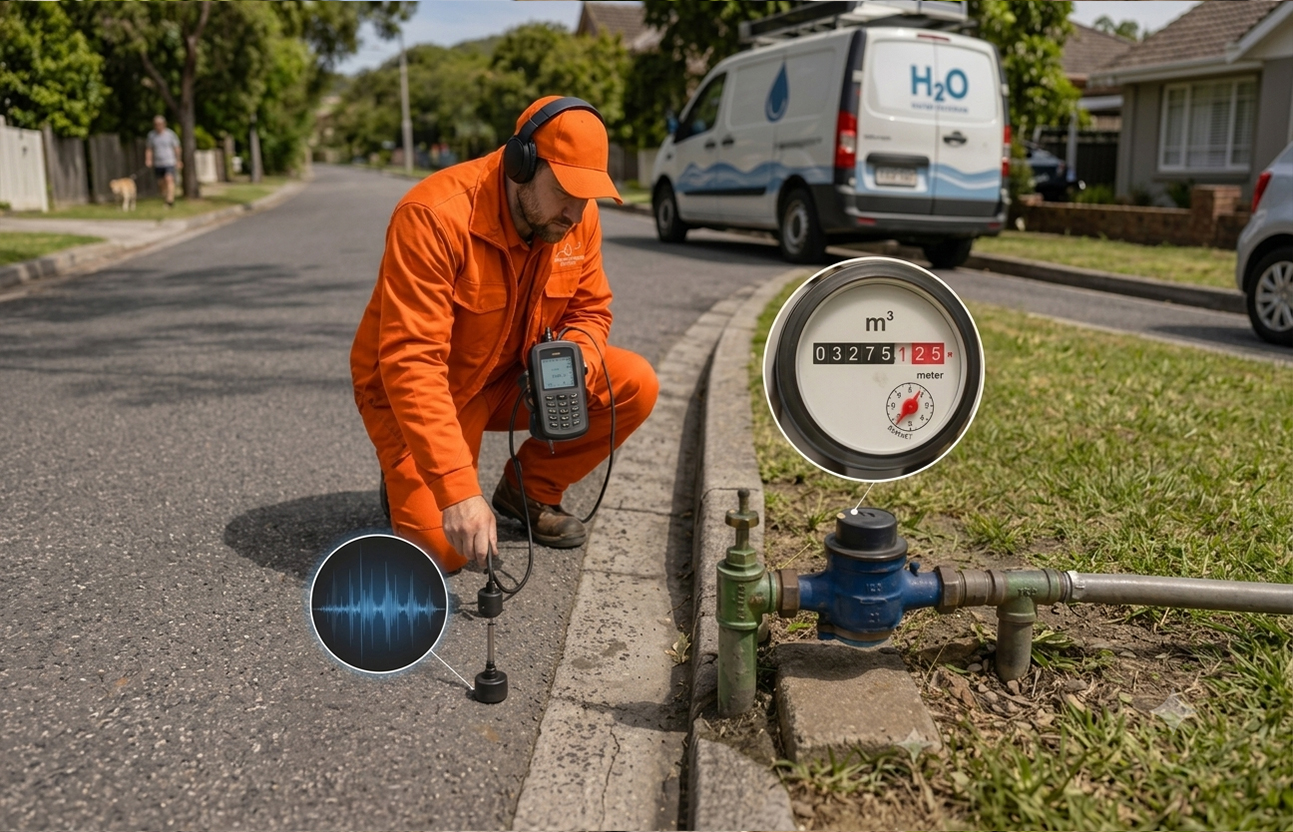
The initial phase of any professional sub-surface leak tracking involves monitoring your physical water meter’s low-flow indicators alongside strict system pressure testing. If the analog or digital meter dials continue registering continuous consumption while the main property isolation valve is closed and no fixtures are active, it confirms a pressurized leak is actively bleeding water into the property envelope. Steady pressure drops under closed isolation tests indicate deep structural pipe deterioration, active sub-slab failure, or main water line damage.
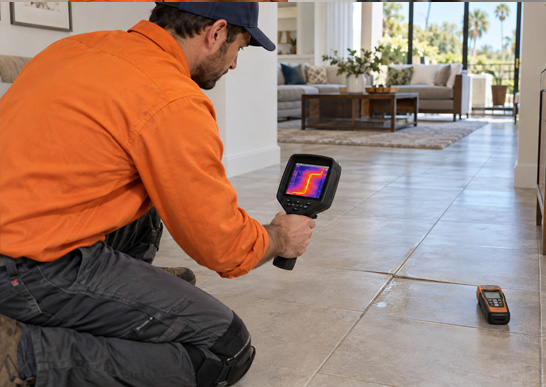
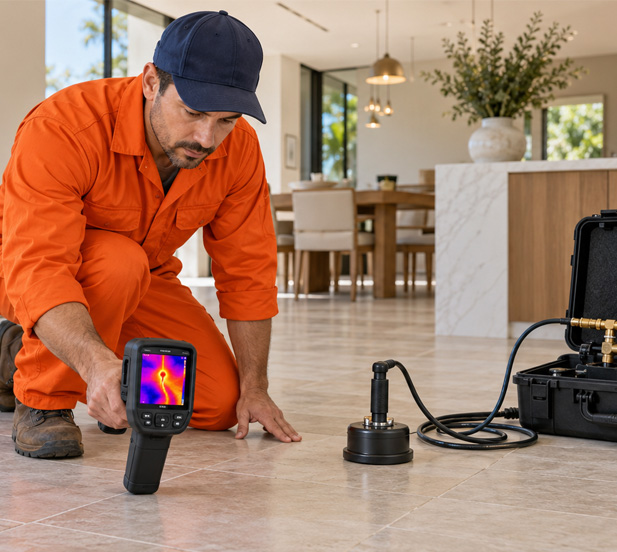
Underground slab leaks from domestic hot water lines alter the thermal signature of structural concrete foundations. Pressurized, escaping hot water saturates the surrounding sub-grade soil, creating distinct thermal anomalies that easily pass through concrete subfloors and damage flooring materials. This sub-slab moisture accumulation can lead to shifting expansive clay soils, subfloor buckling, and long-term structural foundation cracking if left unmanaged.
Rather than resorting to destructive exploratory demolition or tearing out cabinetry, our field technicians leverage advanced diagnostic tracing technologies to pinpoint system faults before starting repairs. High-frequency acoustic listening sensors allow us to identify precise pipe fractures by measuring the exact micro-vibrations and frequency changes generated by pressurized water escaping from structural lines. Combined with modern electronic line-tracing tools, this approach lets us map subterranean supply layouts and completely eliminates unnecessary wall cuts or exploratory trenching.
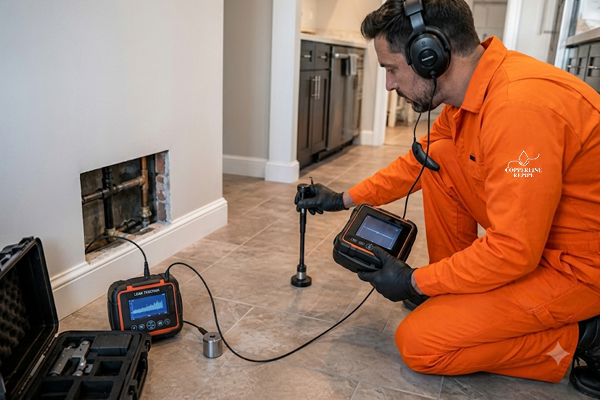
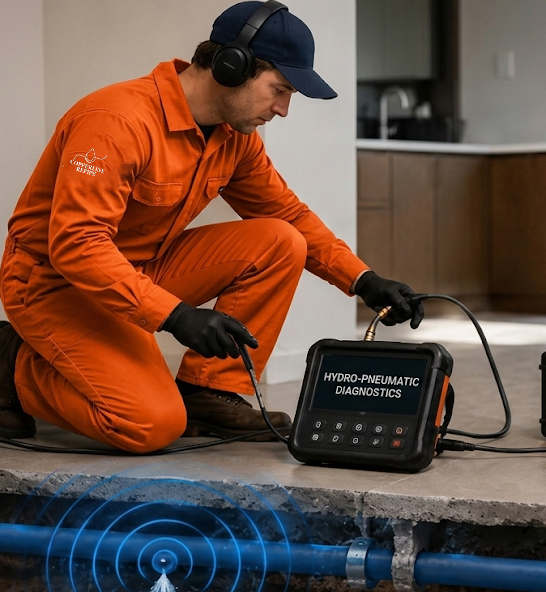
Every residential structure features distinct layout, framing, and utility access constraints. To adapt to these unique properties, our specialized field response vehicles deploy a versatile range of testing tools:
By blending these diagnostic testing methods, our specialists verify the exact physical coordinate of a leak, ensuring targeted repairs can begin with absolute confidence.
Sub-slab utility pipe failures are typically driven by a combination of material fatigue, water quality issues, and structural strain. A primary factor across the San Gabriel Valley involves local soil composition, as many properties sit over expansive alluvial clay beds. These specialized soil strata expand significantly during wet winter cycles and contract sharply during dry summer months, placing continuous stress on rigid copper or galvanized lines buried beneath concrete foundations.
Additional core factors contributing to infrastructure breakdown include:
Tectonic and Ground Shifting Elasticity: Constant expansion, contraction, and shifting of local clay-heavy soil structures warp and stress unshielded plumbing pipes.
Material Lifespan End-of-Life: Pre-1980 plumbing materials have simply exceeded their intended structural durability limits and require comprehensive system updates over temporary fixes.
Subfloor Settling and Stress Points: Natural structural shifting can press concrete aggregate directly against unprotected pipe walls, creating focused stress points that compromise the line.
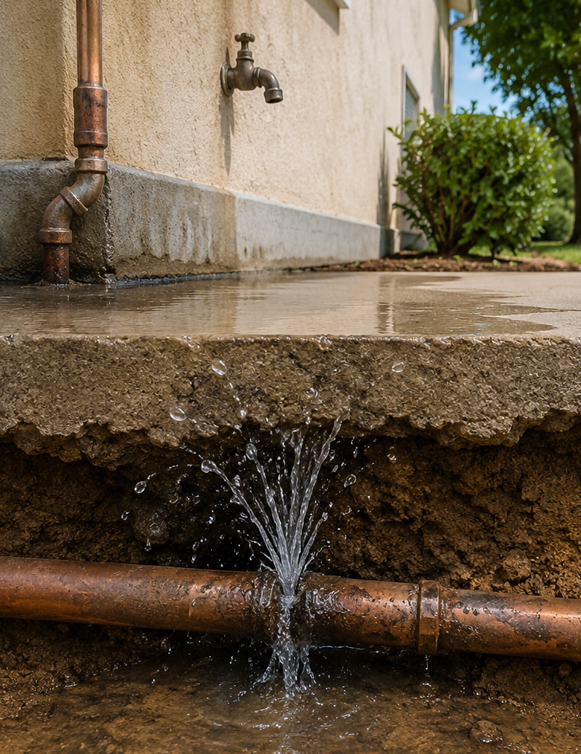
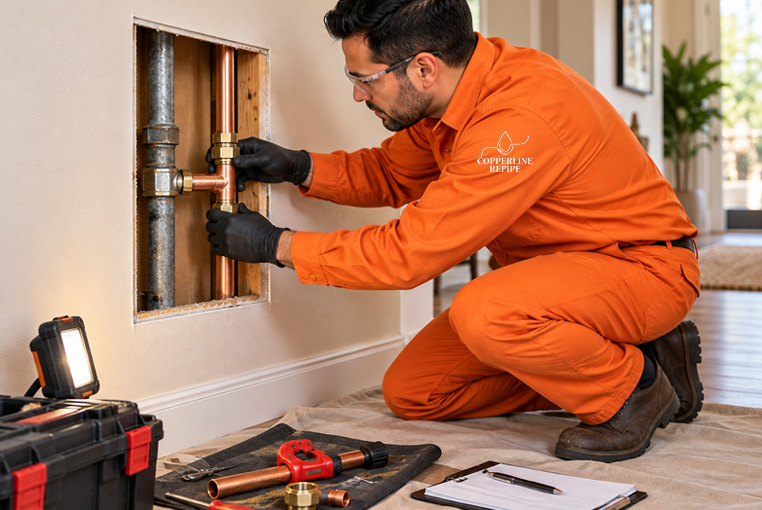
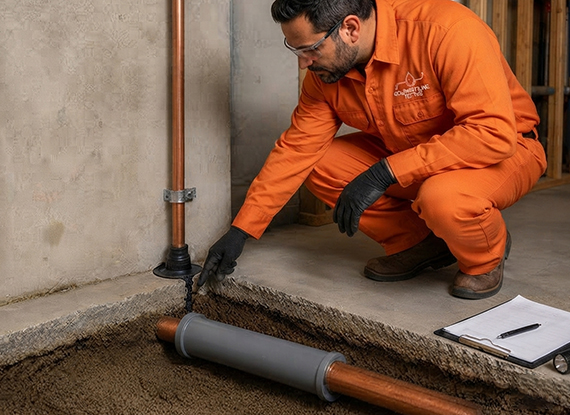
Every underground or concrete-embedded utility repair we complete meets strict California Plumbing Code requirements. When installing replacement plumbing lines beneath a foundation, we utilize durable Type L copper lines wrapped in a continuous, thick poly-plastic protective sleeve. This specialized sleeving isolates the metal from direct concrete contact, shielding the pipe from chemical corrosion and allowing the line to move safely during future clay soil shifts.
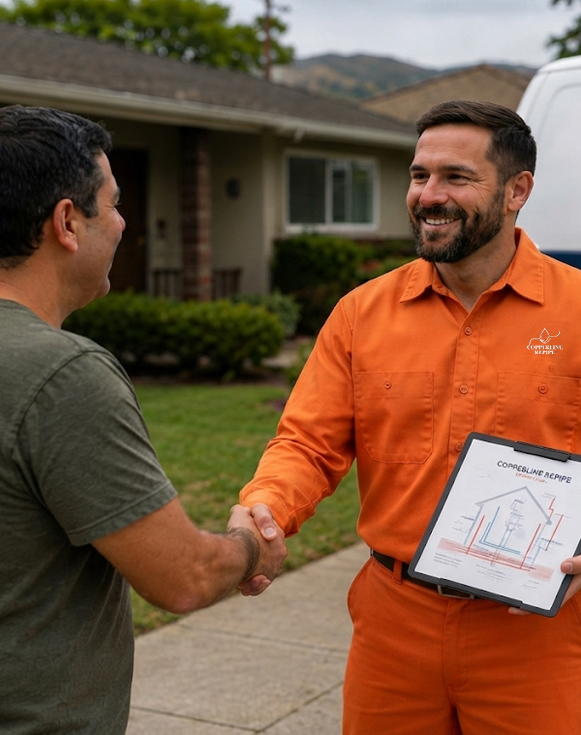
Covina property owners choose CopperLine Repipe for our clear diagnostic tracing, upfront communication, and specialized focus on modernizing residential water systems. Our teams focus specifically on diagnosing and resolving infrastructure problems in post-WWII tract developments and custom mid-century homes built between the 1950s and 1980s across the San Gabriel Valley.
Key advantages of our local field division include:





Most concealed plumbing leaks stem from long-term galvanic pipe corrosion, high groundwater mineral buildup, shifting local clay soils, or natural material degradation inside pressurized lines.
Unexplained warm spots on floors, sharp water bill increases, foundation-line moisture, and the sound of running water when all valves are closed are the primary indicators.
Yes. High mineral concentrations from the local aquifer accelerate interior copper scaling and pitting over time, leading to hidden pinhole leaks.
Modern acoustic ground sensors and infrared thermal cameras allow us to isolate the exact source of sub-surface leaks without relying on destructive exploratory digging.
We recommend scheduling an inspection the moment you notice unexpected water bill increases, localized musty odors, or moisture along flooring or baseboards.