


Apartment buildings, condominium communities, duplex properties, and homeowner associations often experience plumbing problems very different from single-family homes. Aging supply lines, high daily water usage, recurring drain backups, slab leaks, and outdated plumbing infrastructure can quickly affect multiple units simultaneously when problems are left unresolved.


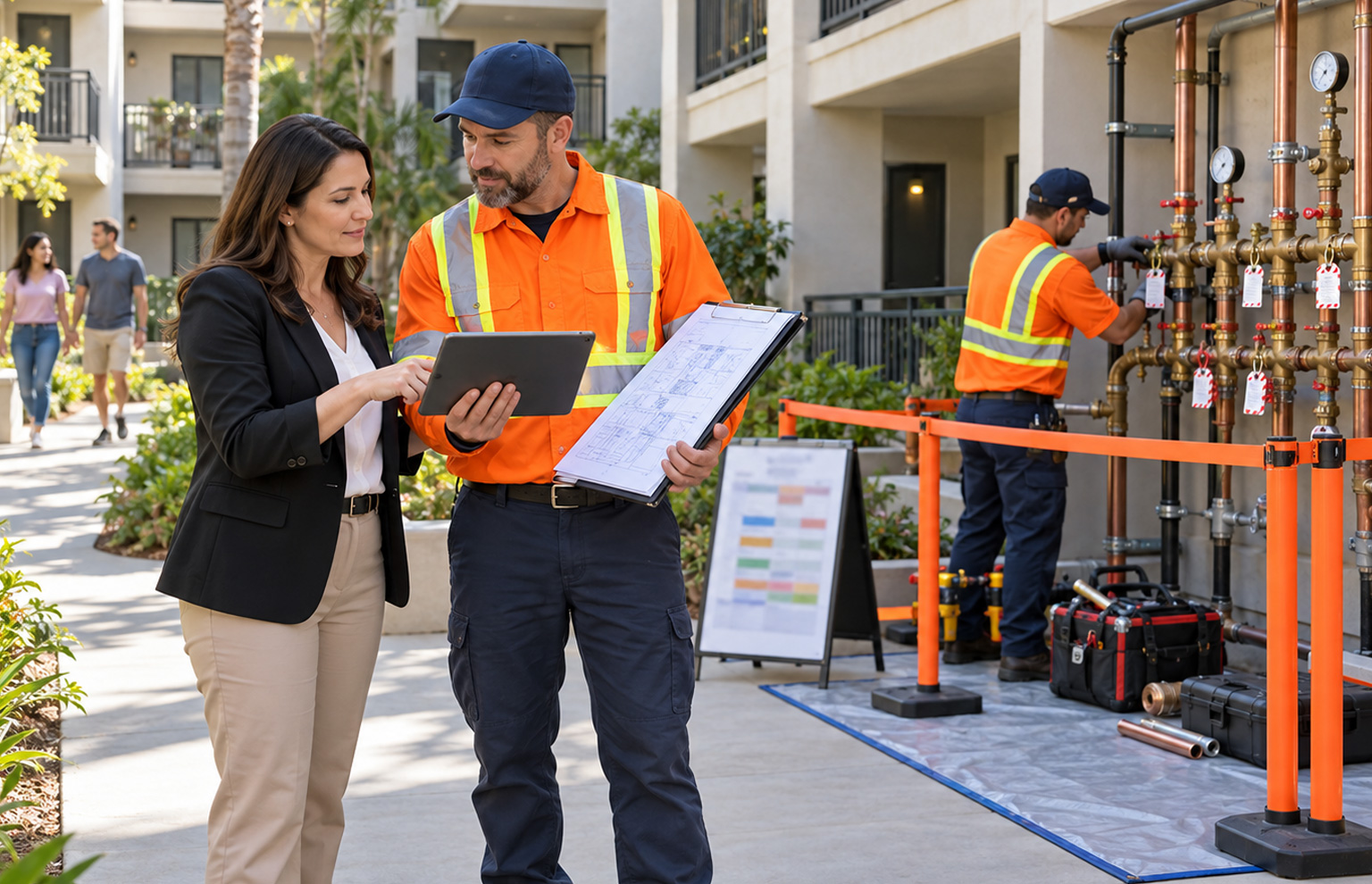
Property managers often need structured scheduling procedures when handling:
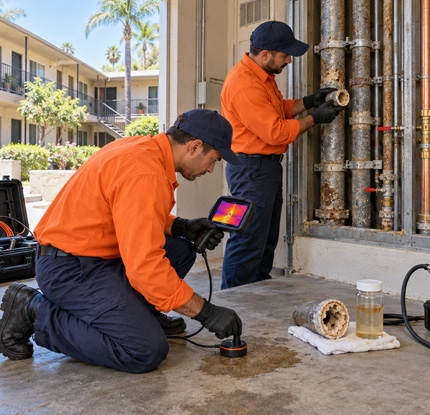
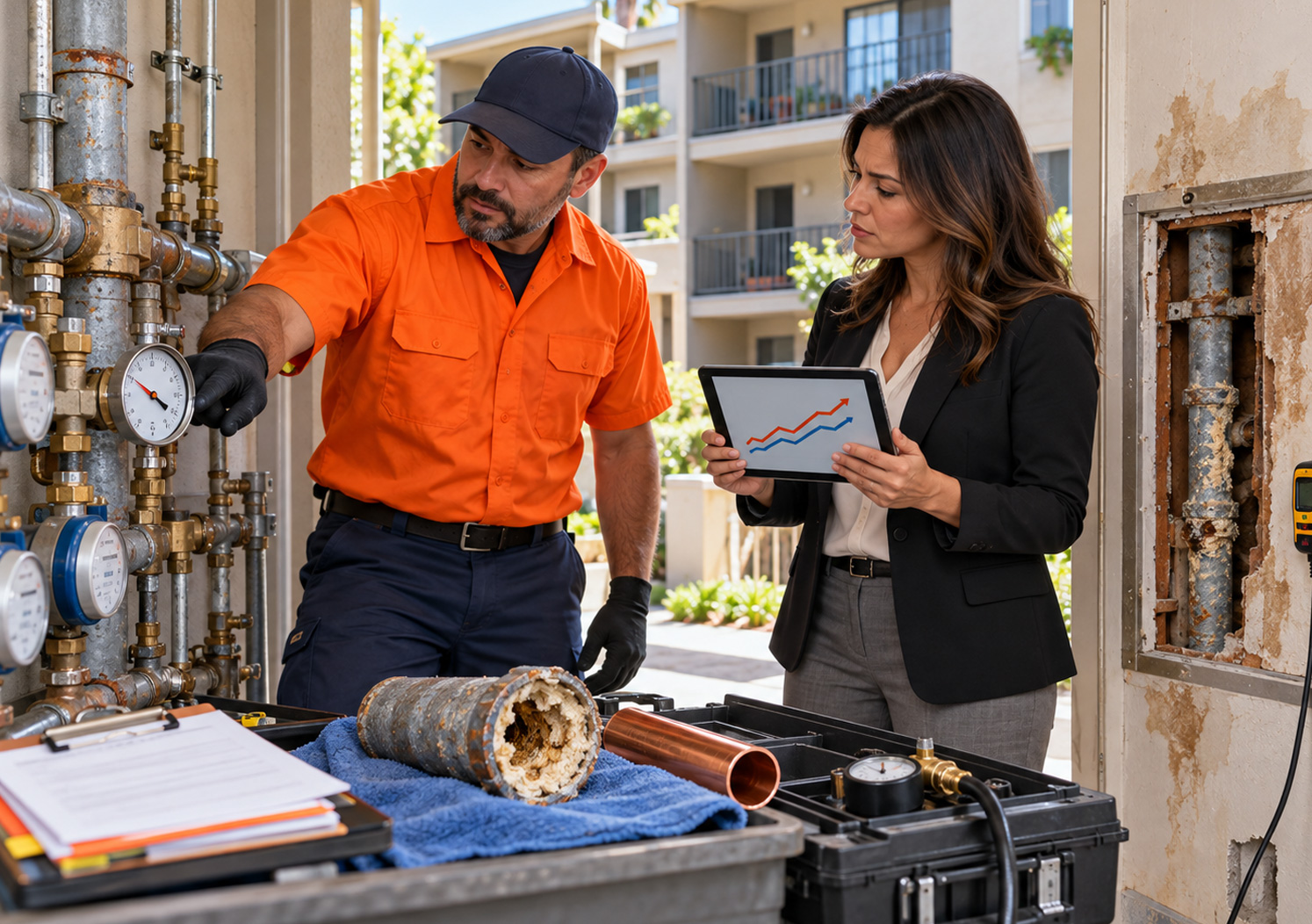


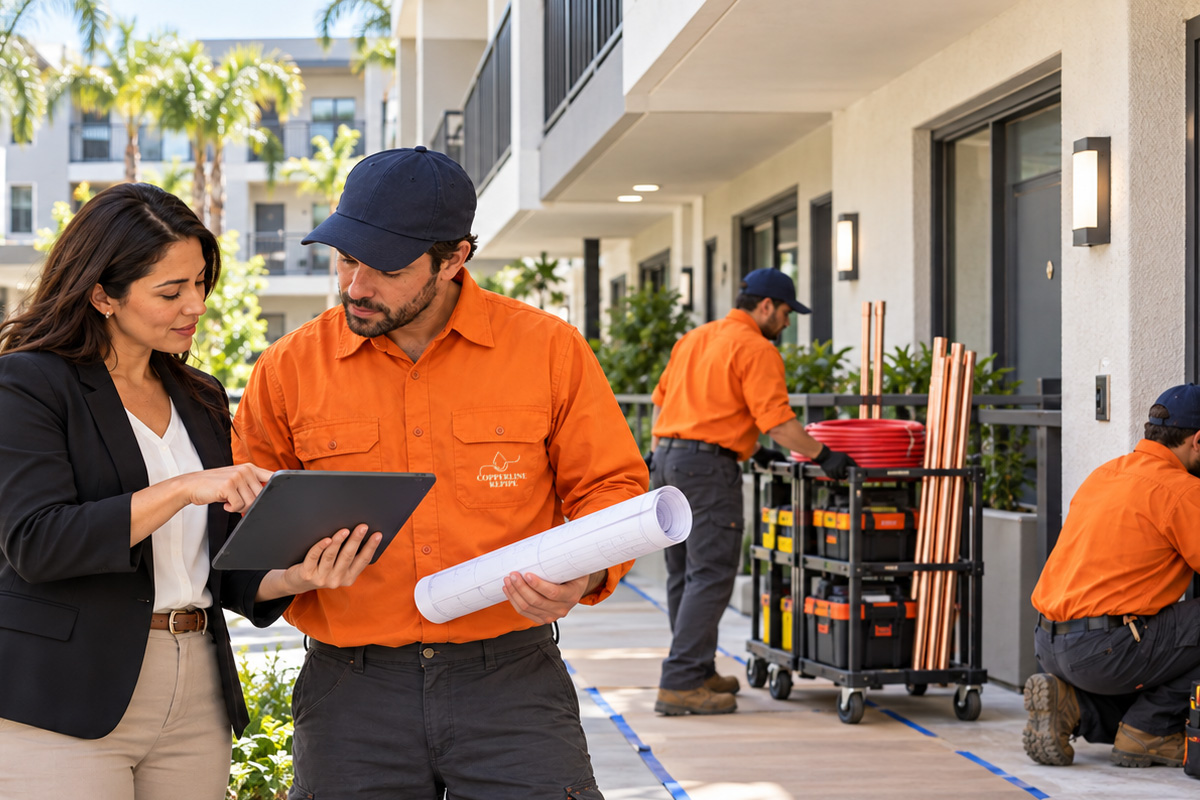


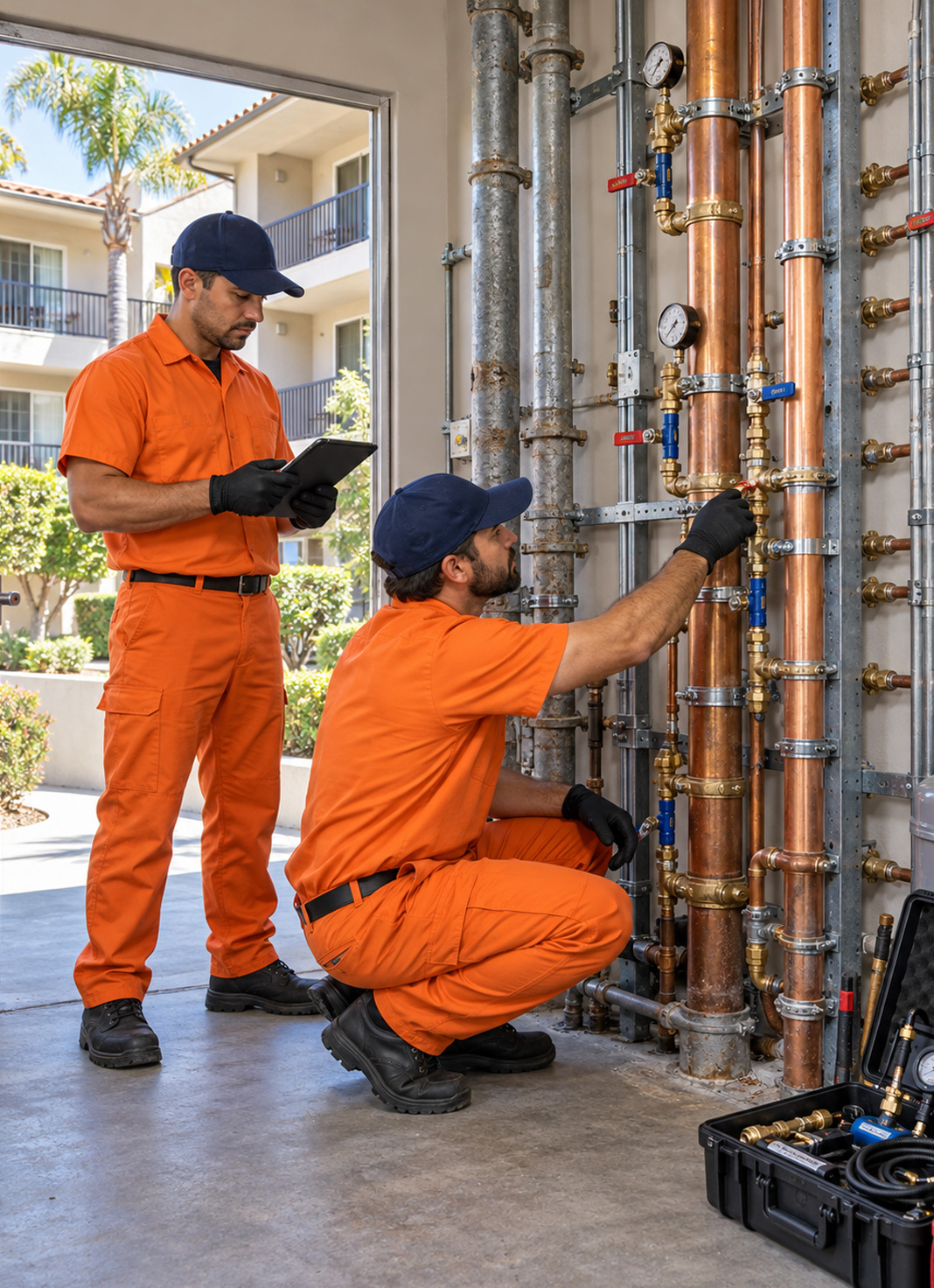
Every project begins with a detailed inspection of accessible plumbing infrastructure throughout the property. We evaluate water supply lines, risers, shutoff locations, leak history, pressure conditions, and existing plumbing materials.
Our inspections may also include:

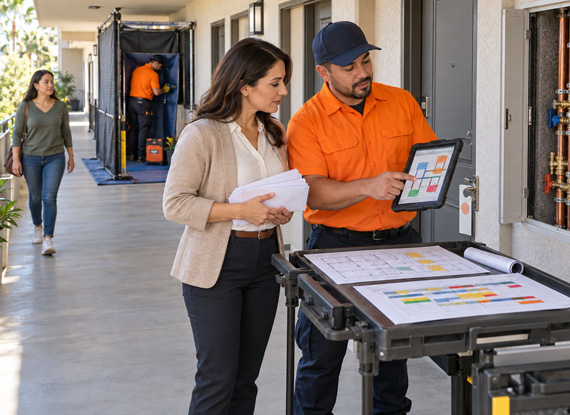
After inspection, our team develops a structured project plan based on the building layout and plumbing condition.
Planning includes:

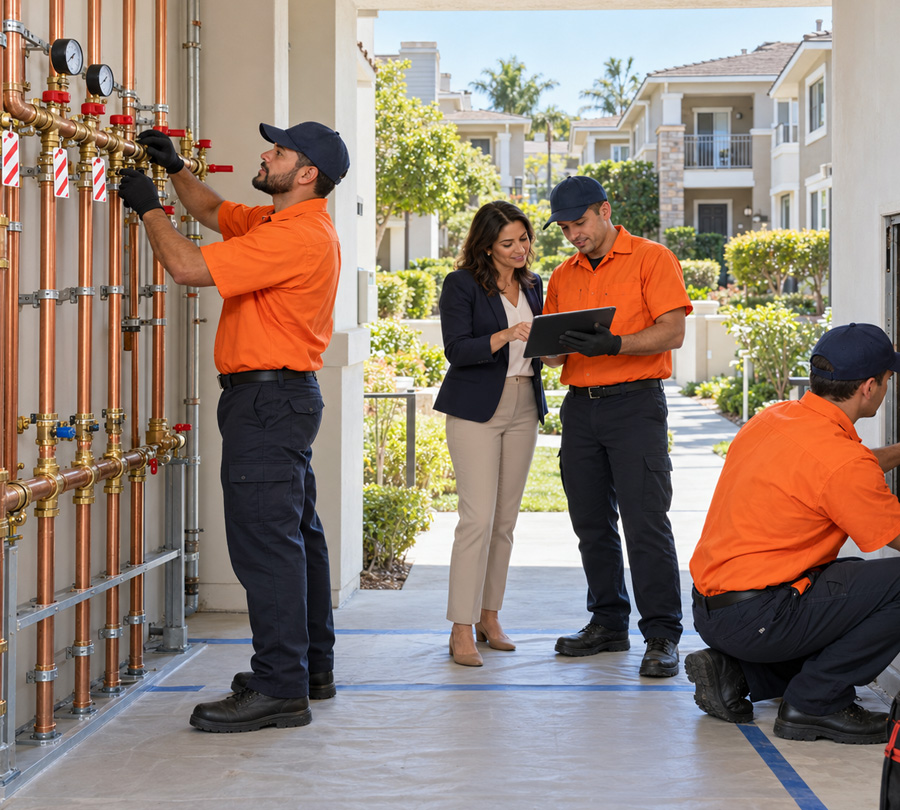
Before installation begins, technicians coordinate access routes, wall openings, utility preparation, and workspace protection throughout affected units and common areas.
Preparation procedures may include:

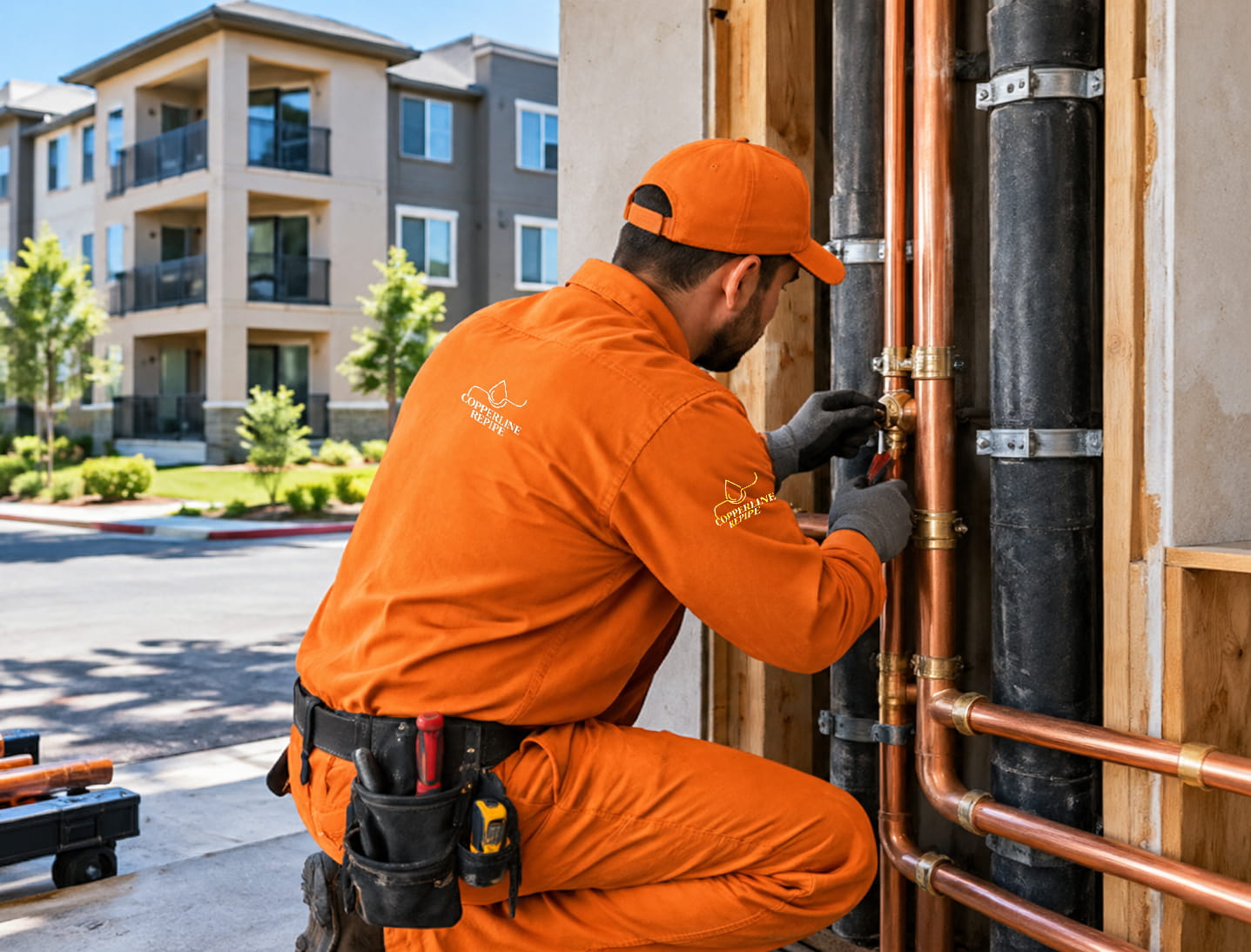
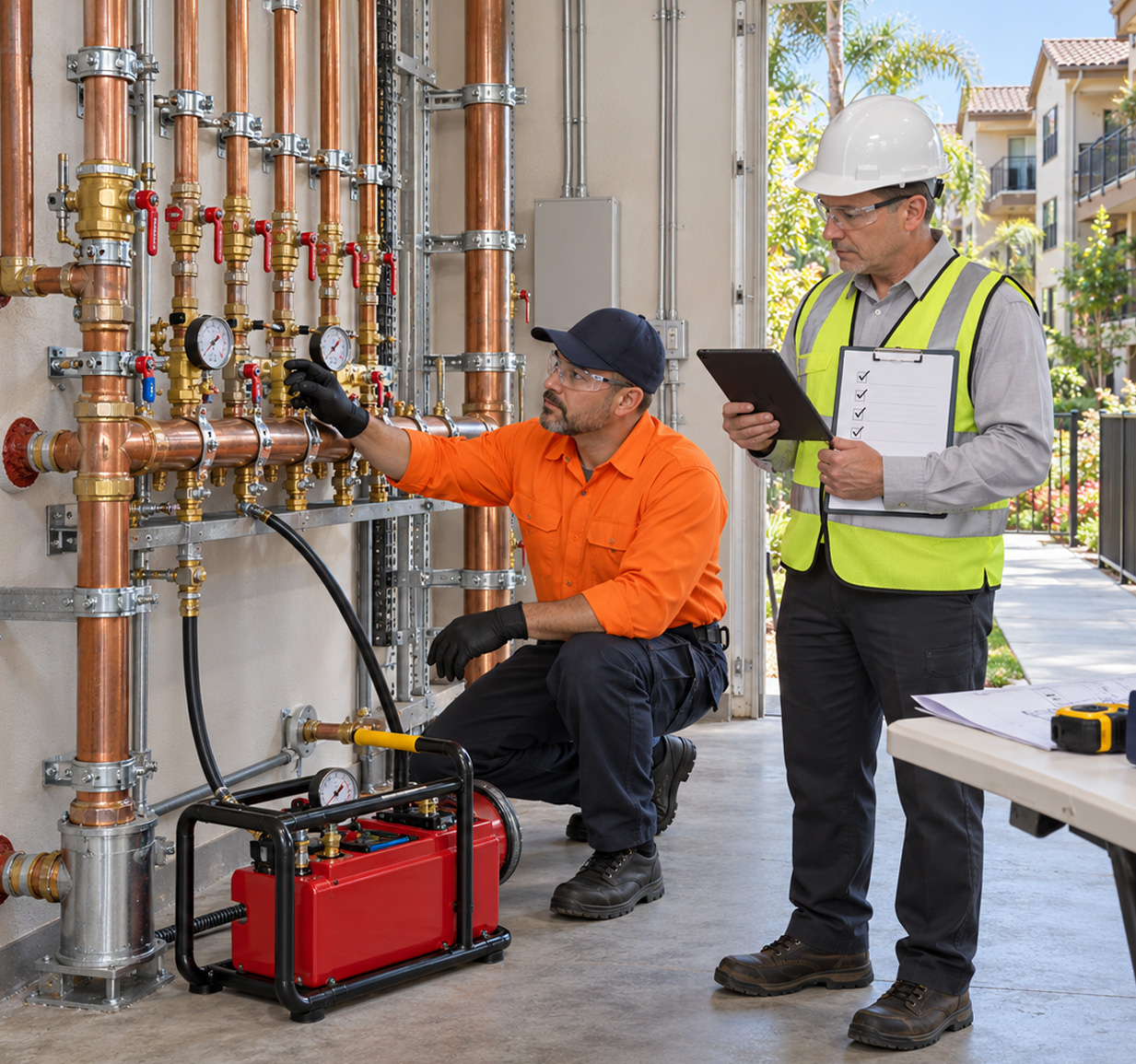
Old supply lines, branch connections, or damaged piping sections are replaced according to the approved installation plan.
Our crew focuses on:
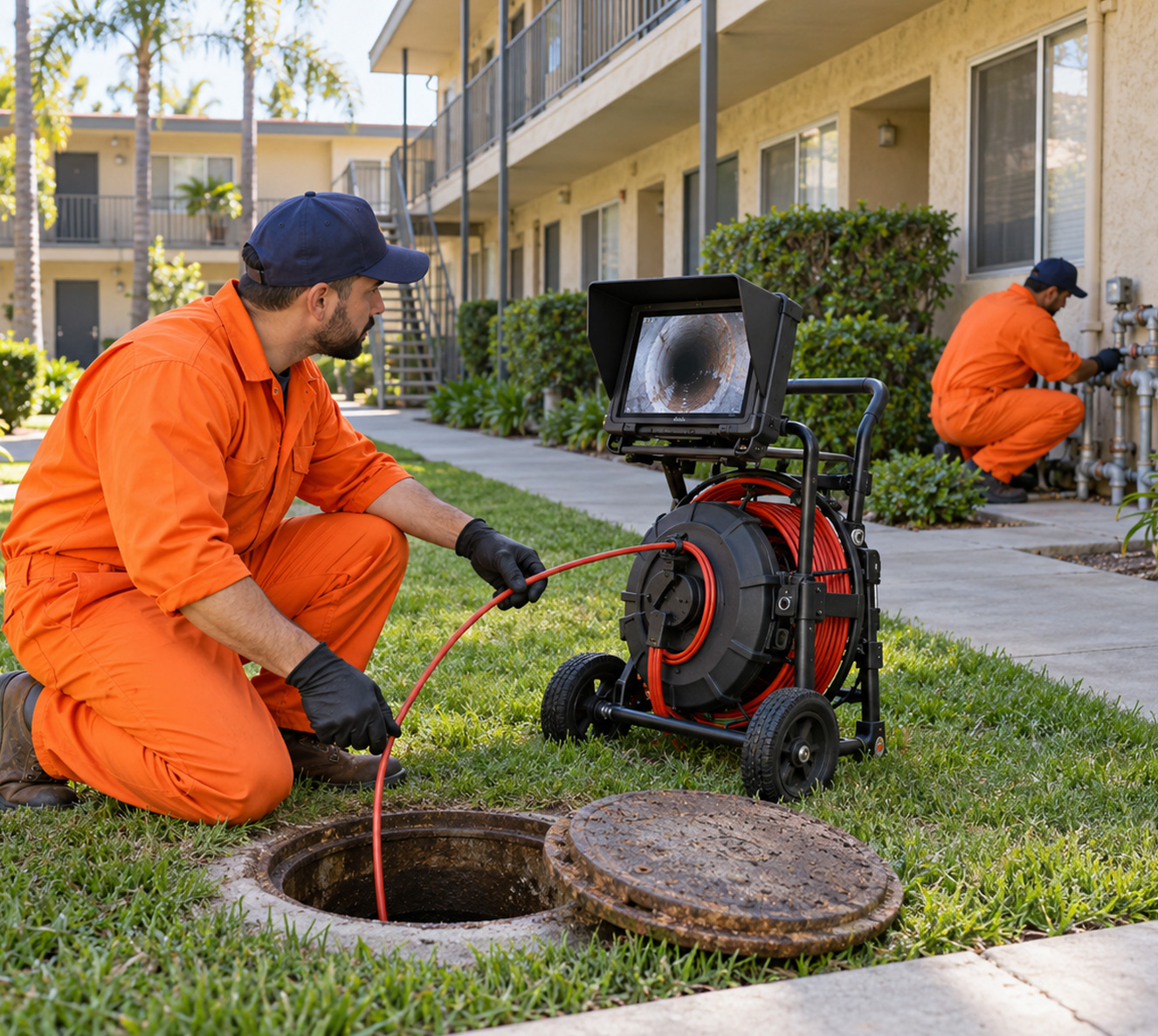
“Our older duplex near Glendora needed a new sewer line after recurring drain backups. Their technicians explained the inspection findings clearly, handled the replacement professionally, and kept the work area clean throughout the project.”




Yes. Many older multi-family properties still contain aging galvanized piping systems vulnerable to corrosion, pressure loss, and recurring plumbing leaks.
Yes. Slab leaks beneath multi-family properties may impact several units depending on plumbing layout and water line placement.
Many older residential buildings still contain galvanized steel pipes, aging copper systems, and outdated plumbing infrastructure installed decades ago.
Yes. Our crews use a phased project schedule to keep occupied units safe and accessible. Water interruptions are planned in advance, communicated clearly, and kept as short as possible.
The timeline depends on the property size, number of units, pipe condition, and project scope. After the inspection, we provide a detailed schedule covering installation, inspections, wall repairs, and final testing.